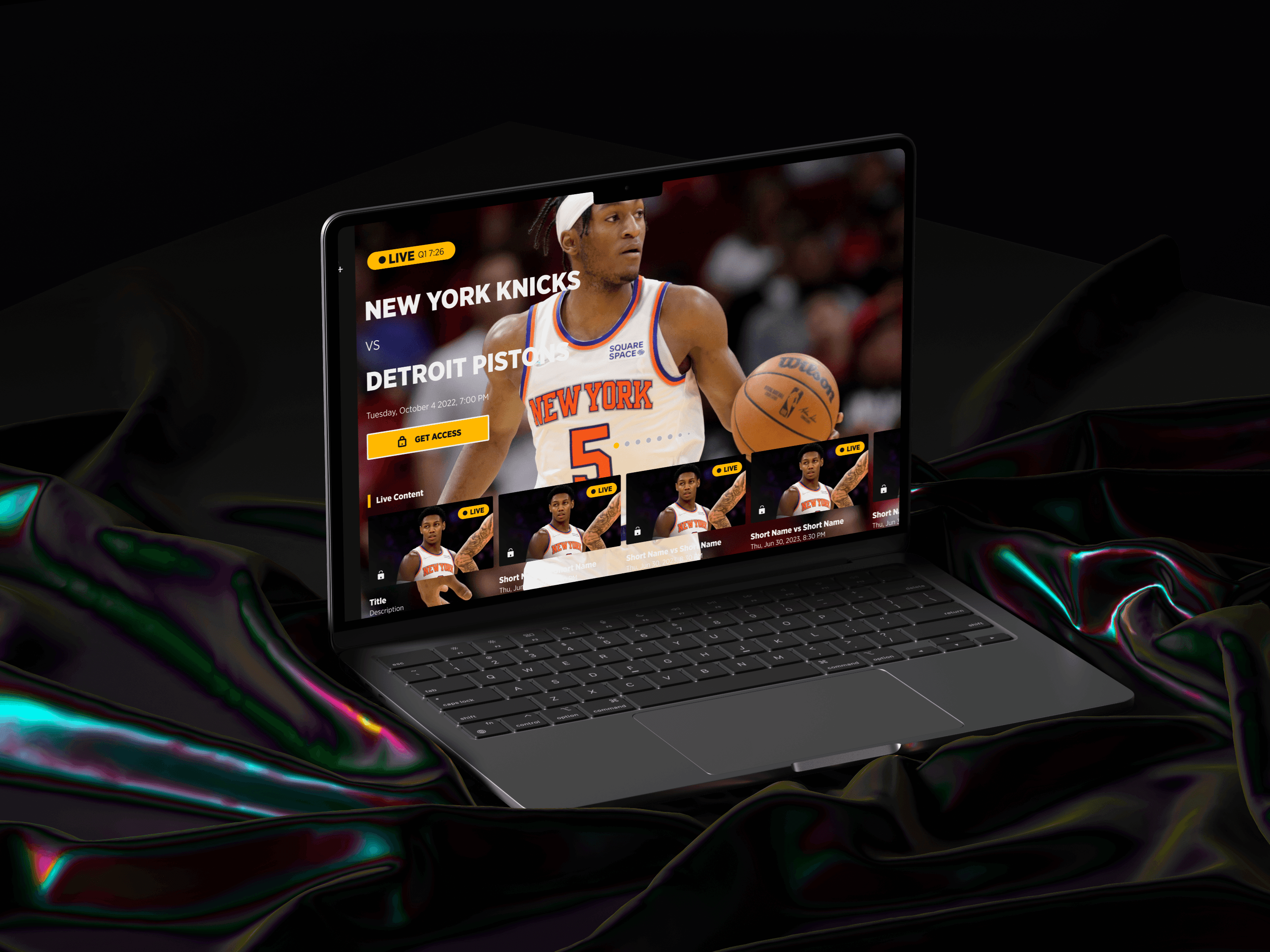
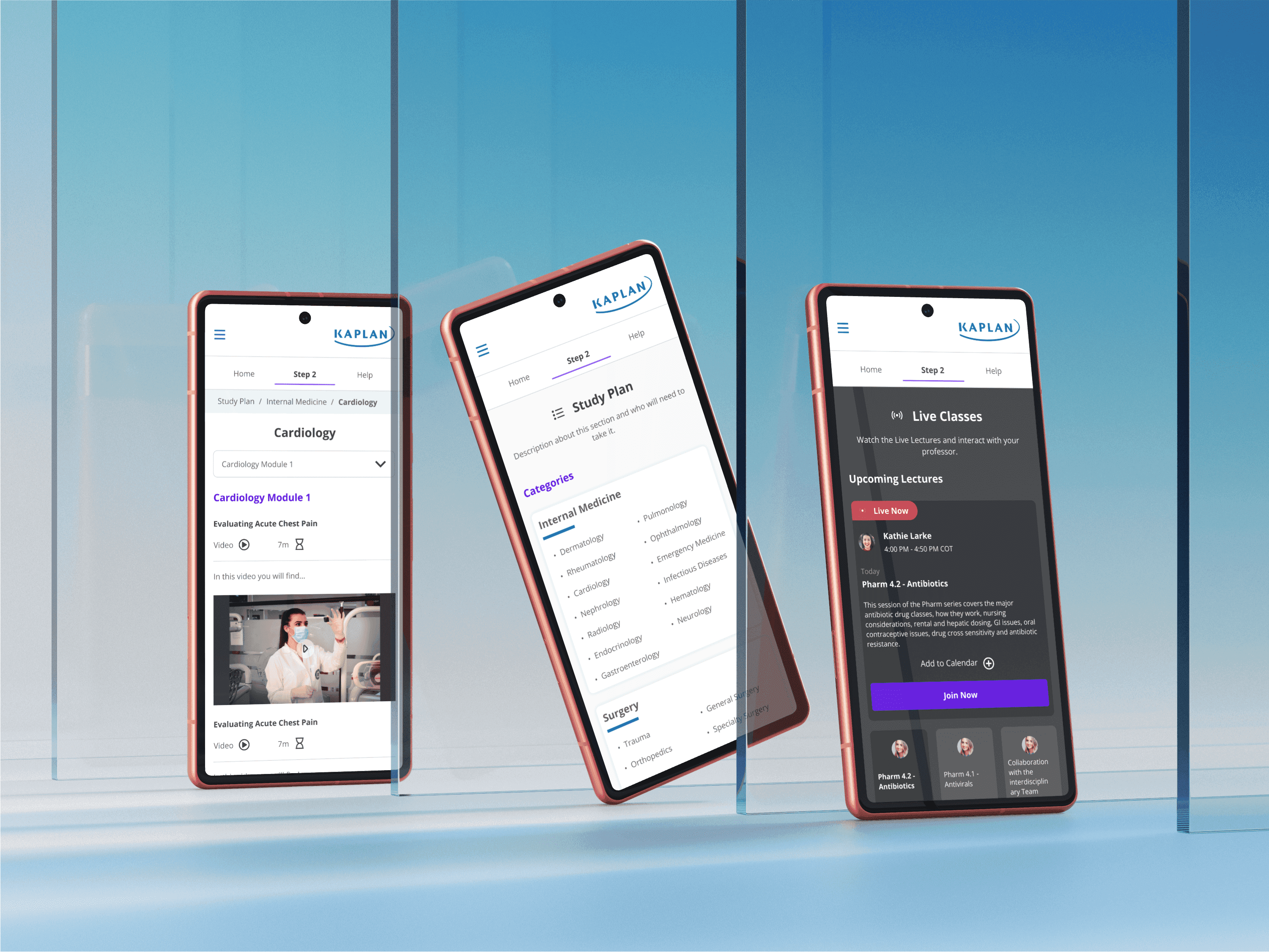
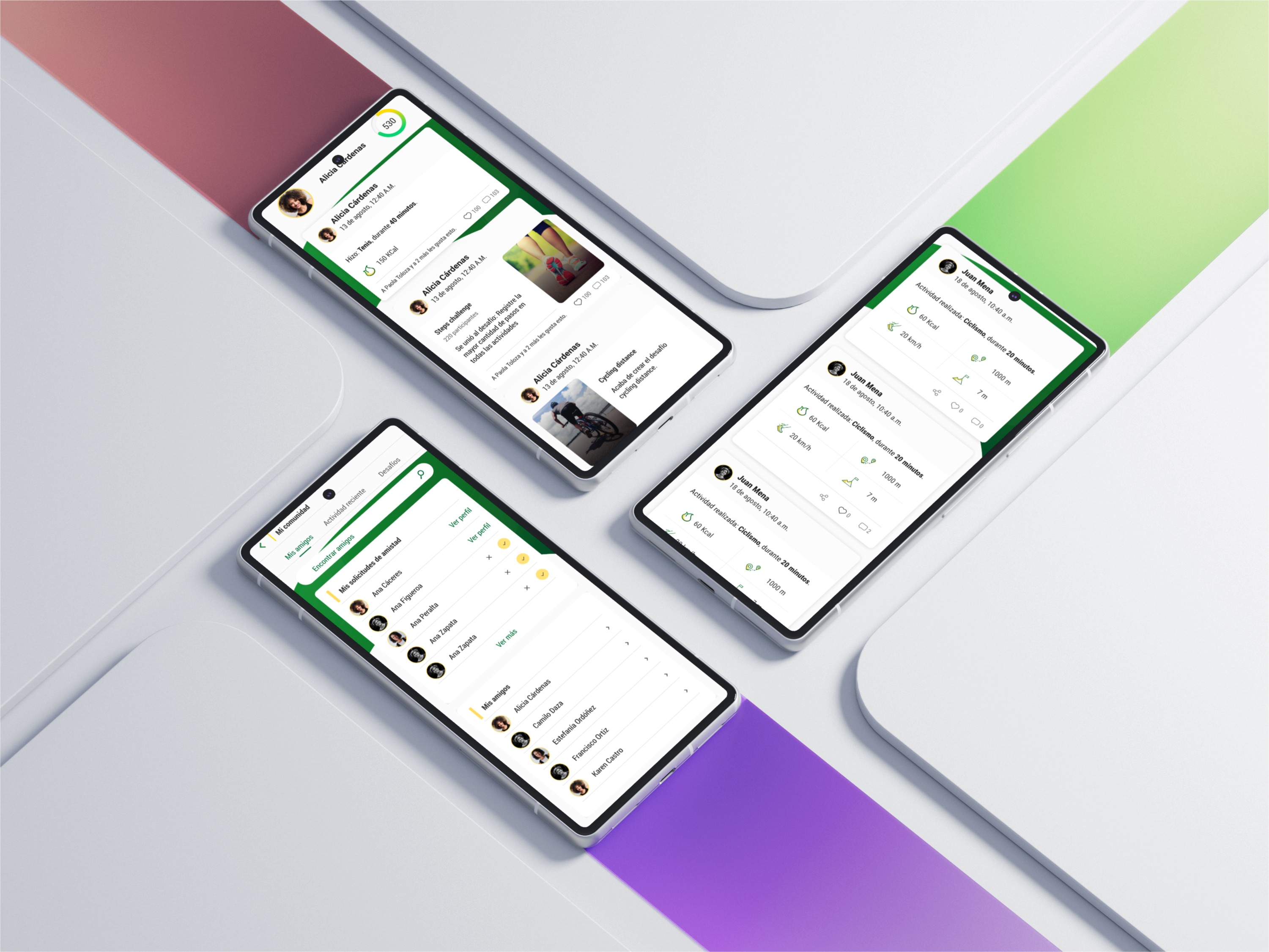
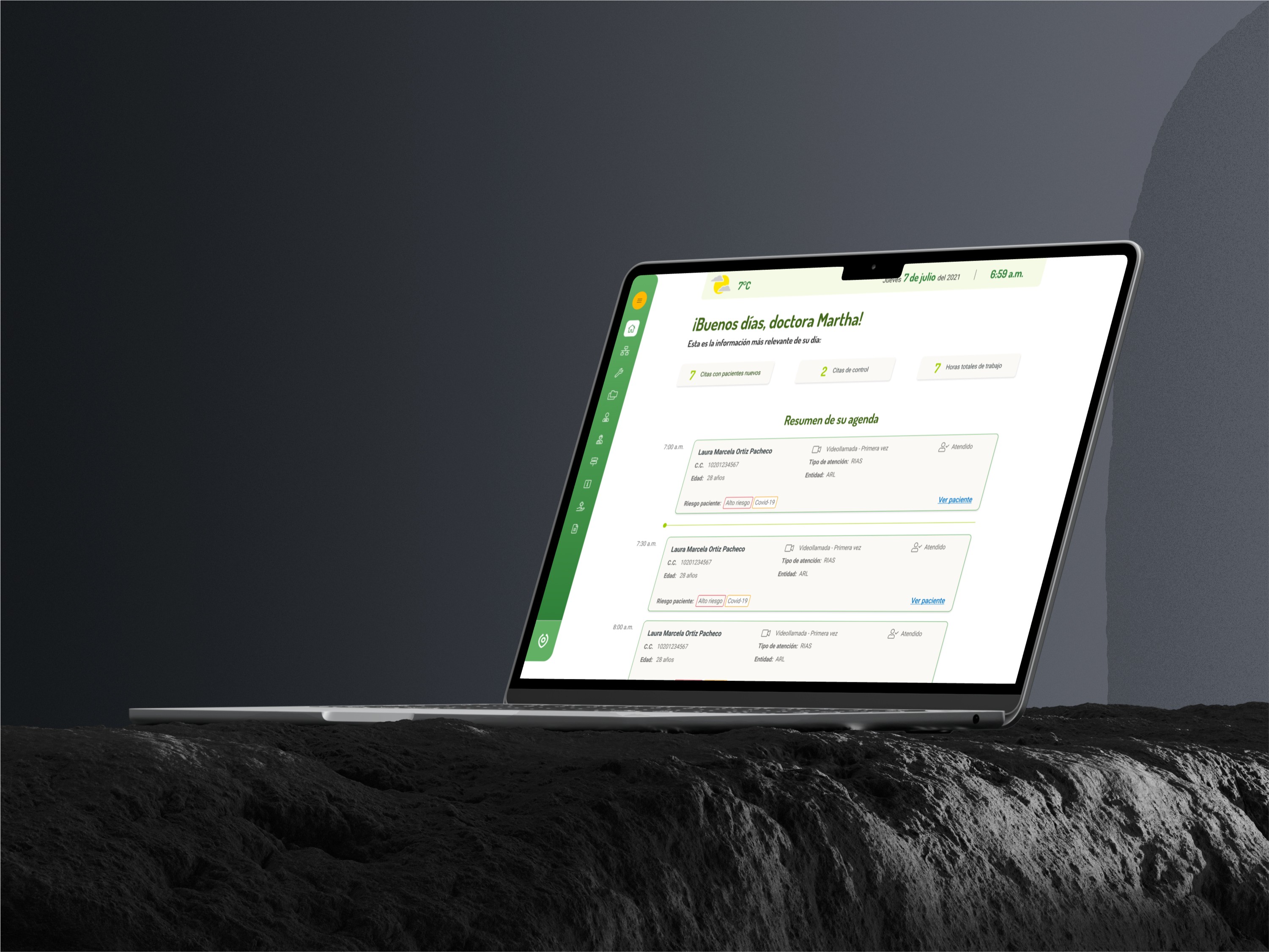
Zaahah
Extracurricular Rewards Platform
Role
Lead UI/UX Designer
Duration
October 2021 - March 2022
Platforms
Mobile · Desktop
Impact
3 products launched
Project Goals
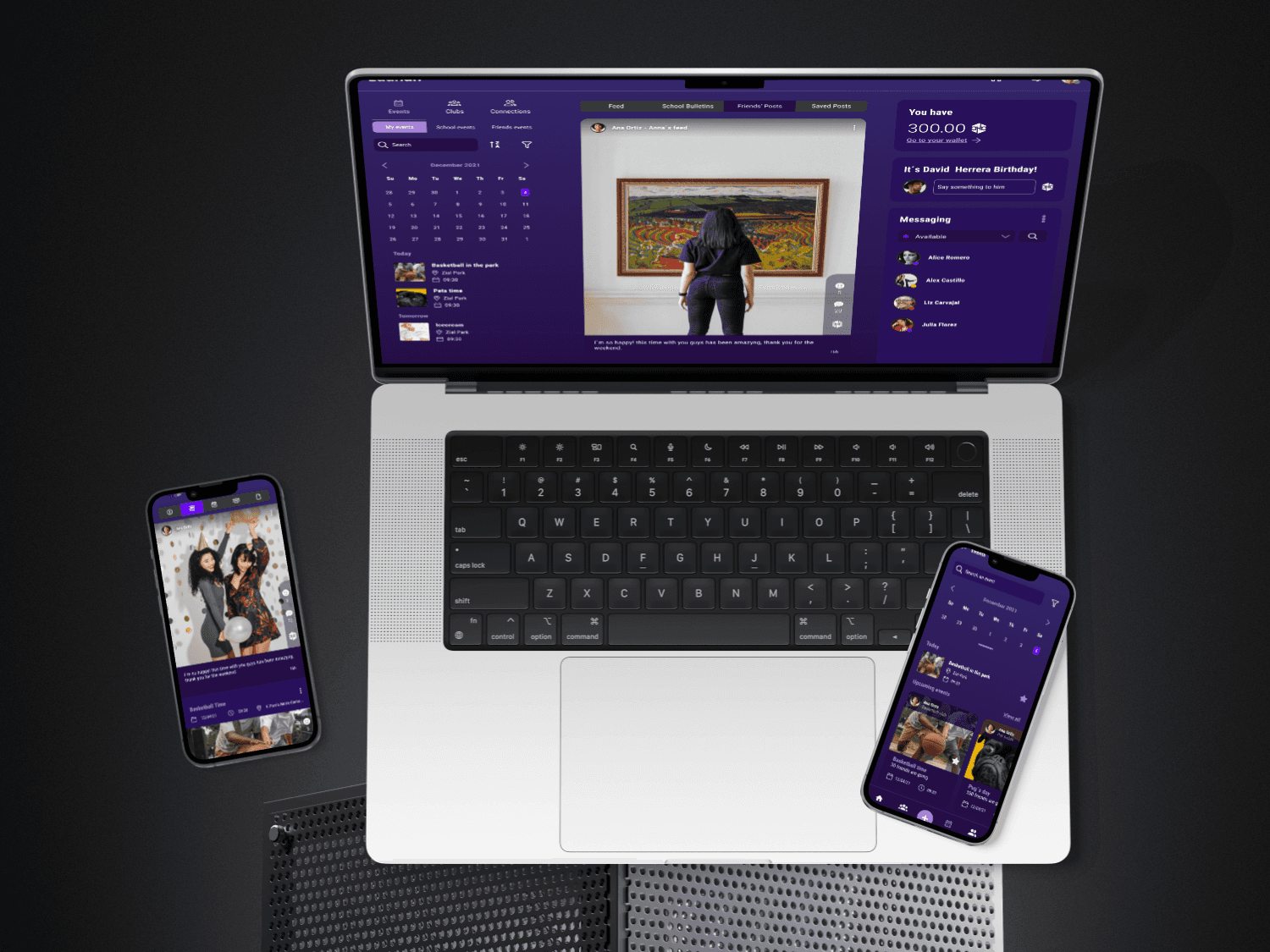
Zaahah is a platform designed to get US teenagers off their screens and back into in-person activities. The challenge: design three interconnected products simultaneously — the student app, a SaaS CMS for administrators, and aHa, a virtual rewards wallet.
As Lead UI/UX Designer, the work spanned mobile-first student experiences, desktop-first admin tooling, and a cross-product design system holding all three together.
Process
Three products
One designer
01.
Zaahah Student App
Designed the full UX for the student-facing mobile and desktop experience — activity discovery, participation tracking, and rewards redemption.
02.
Administrator Mode
Built a SaaS CMS for parents and teachers to monitor student activity, manage clubs, and approve participation requests with data visualization.
03.
aHa Virtual Wallet
Led a junior designer on aHa — a wallet that rewarded students with coins for attending in-person events, redeemable, transferable, or saveable.
Design Highlights
Warmth as a design decision.
Mobile-First for Students
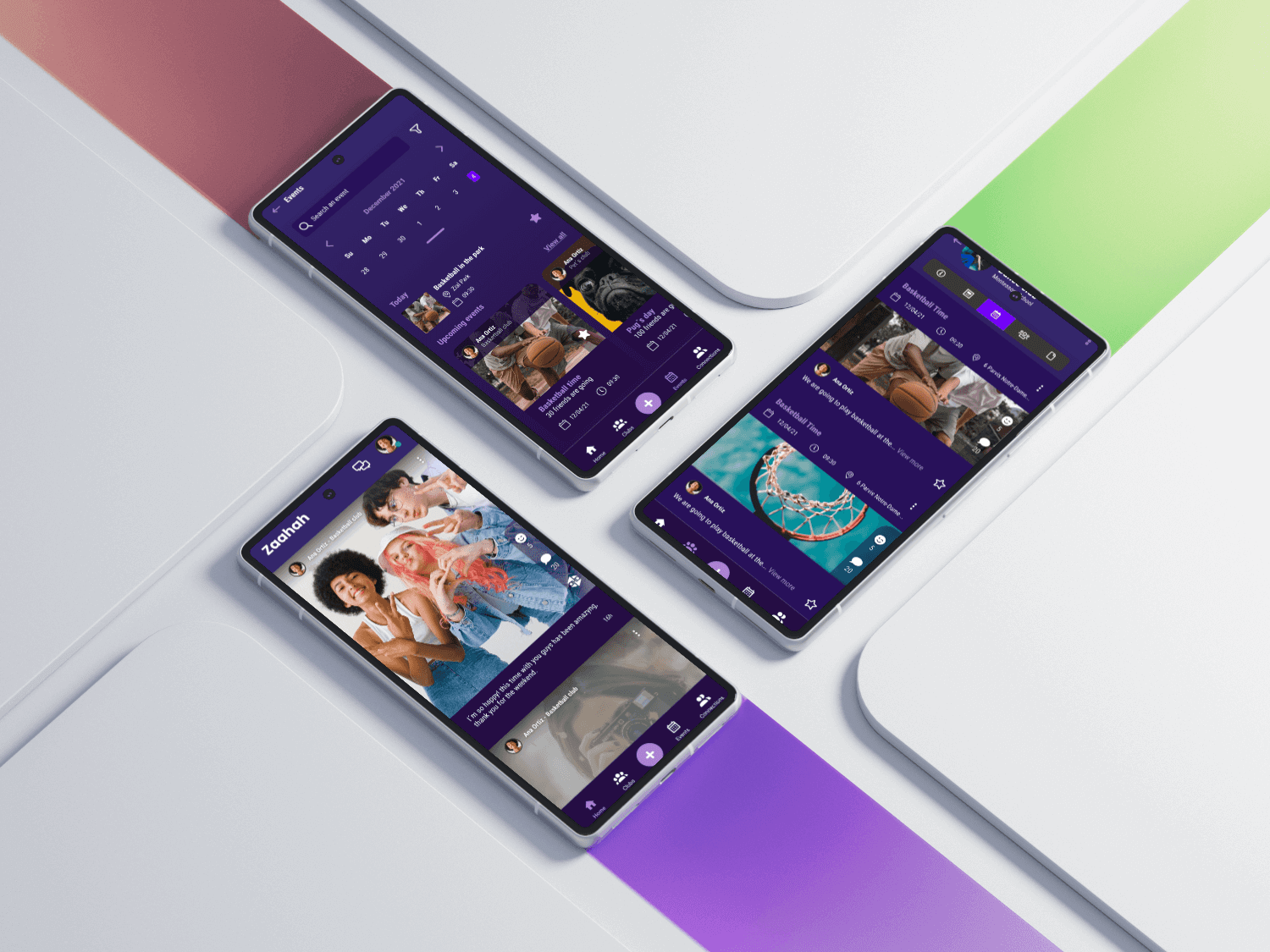
The student app was designed mobile-first — recognizing that teenagers' primary device is their phone, and the entire experience needed to feel native and fast there.
Desktop-First for Admins
The administrator mode flipped the approach — a data-rich desktop-first interface giving parents and teachers full visibility without sacrificing usability.
Challenges &
Constraints
01.
Time Constraints
I was managing three projects simultaneously, additionally, I was tasked with creating the design system, making time the primary challenge.
02.
Limited Wireframing
Due to the tight deadline, we had no room for creating wireframes. We had to move straight to building the final product.
03.
No Time for Testing
The client explicitly requested to skip the testing phase, planning to test the product in a live production environment instead.
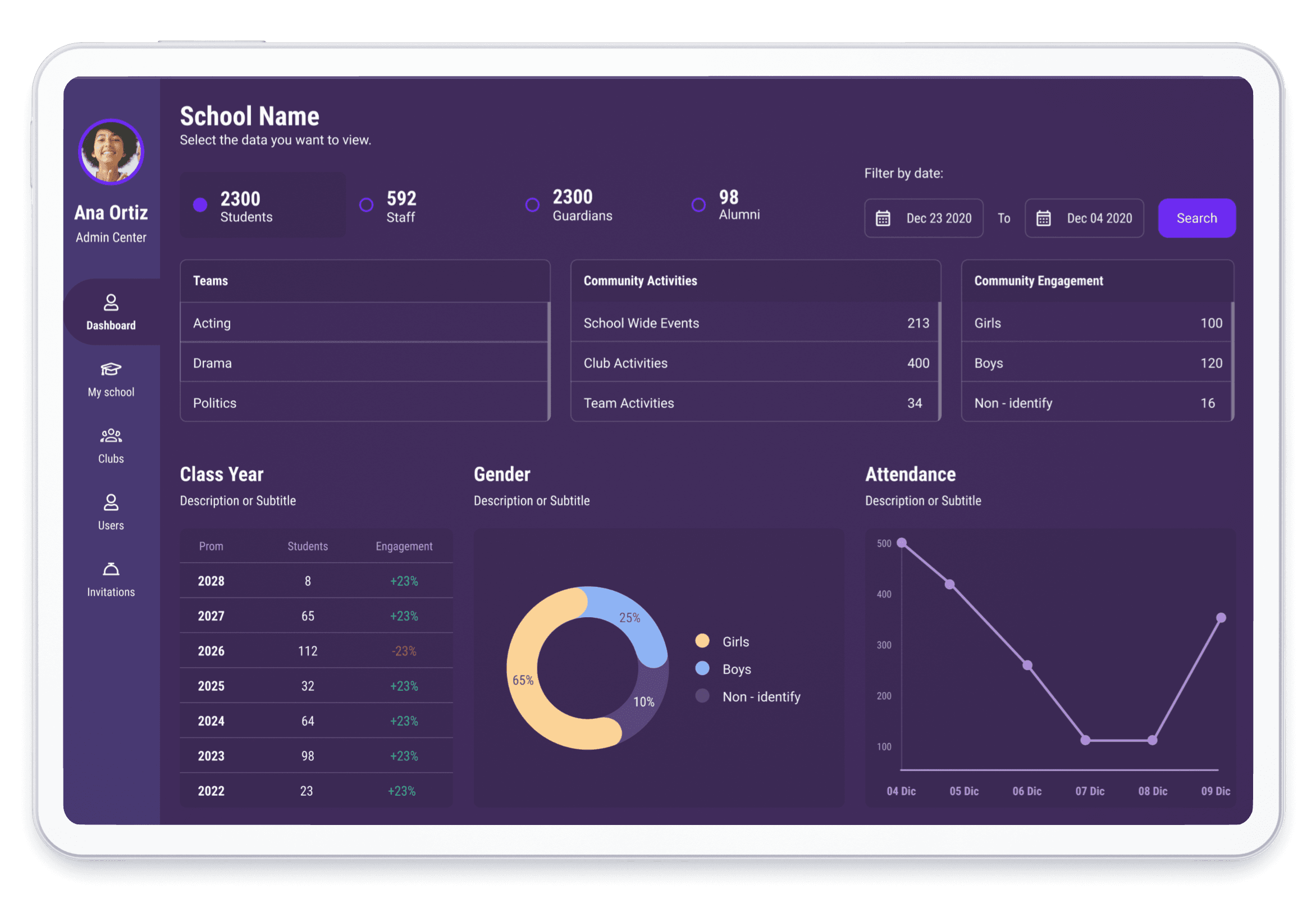
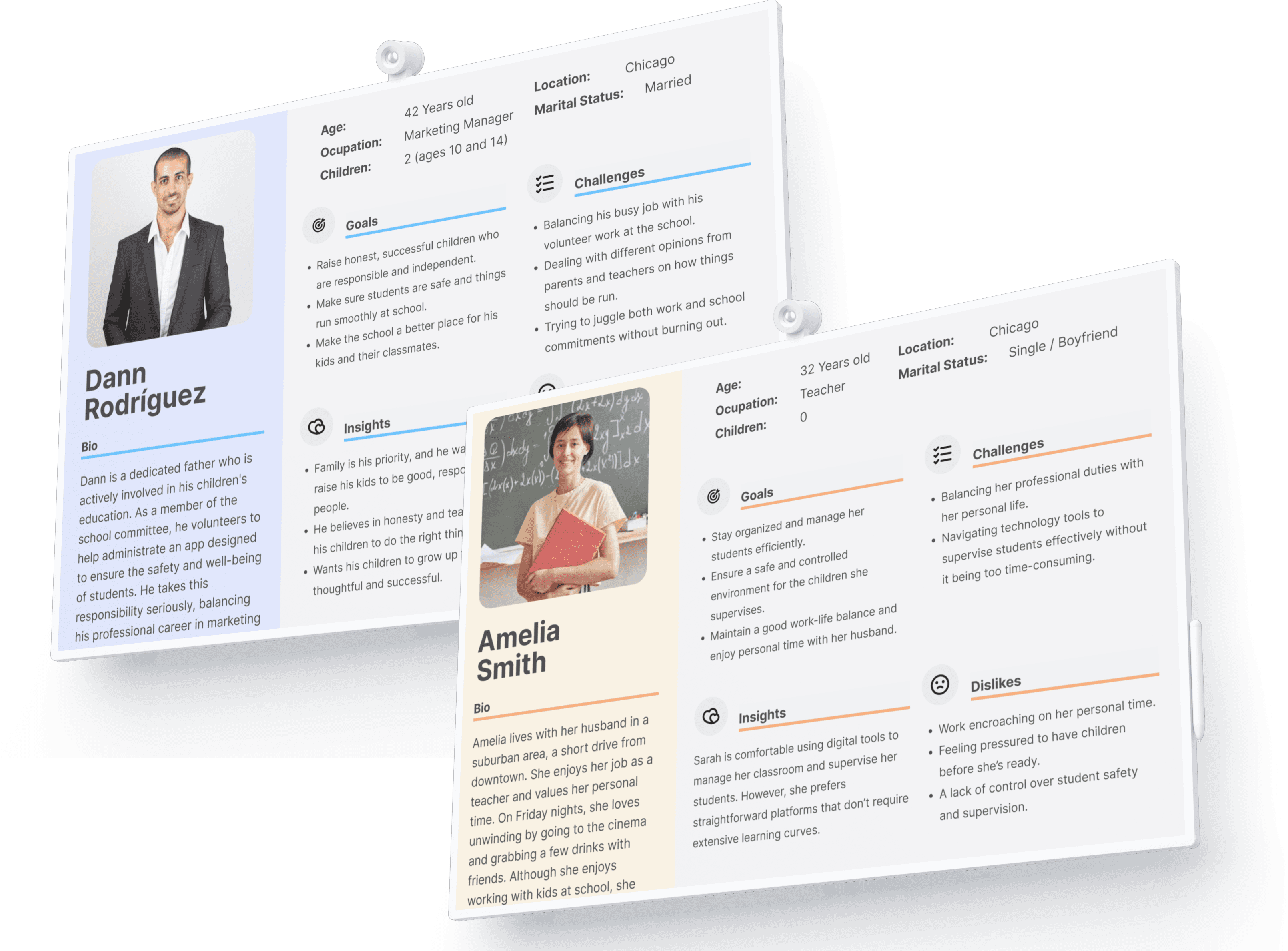
User
Persona
The administrator mode was designed for professors and parents who wanted to supervise and ensure the safety of Zaahah. The target users were between 30 and 45 years old, primarily located in the United States, with a focus on Chicago.
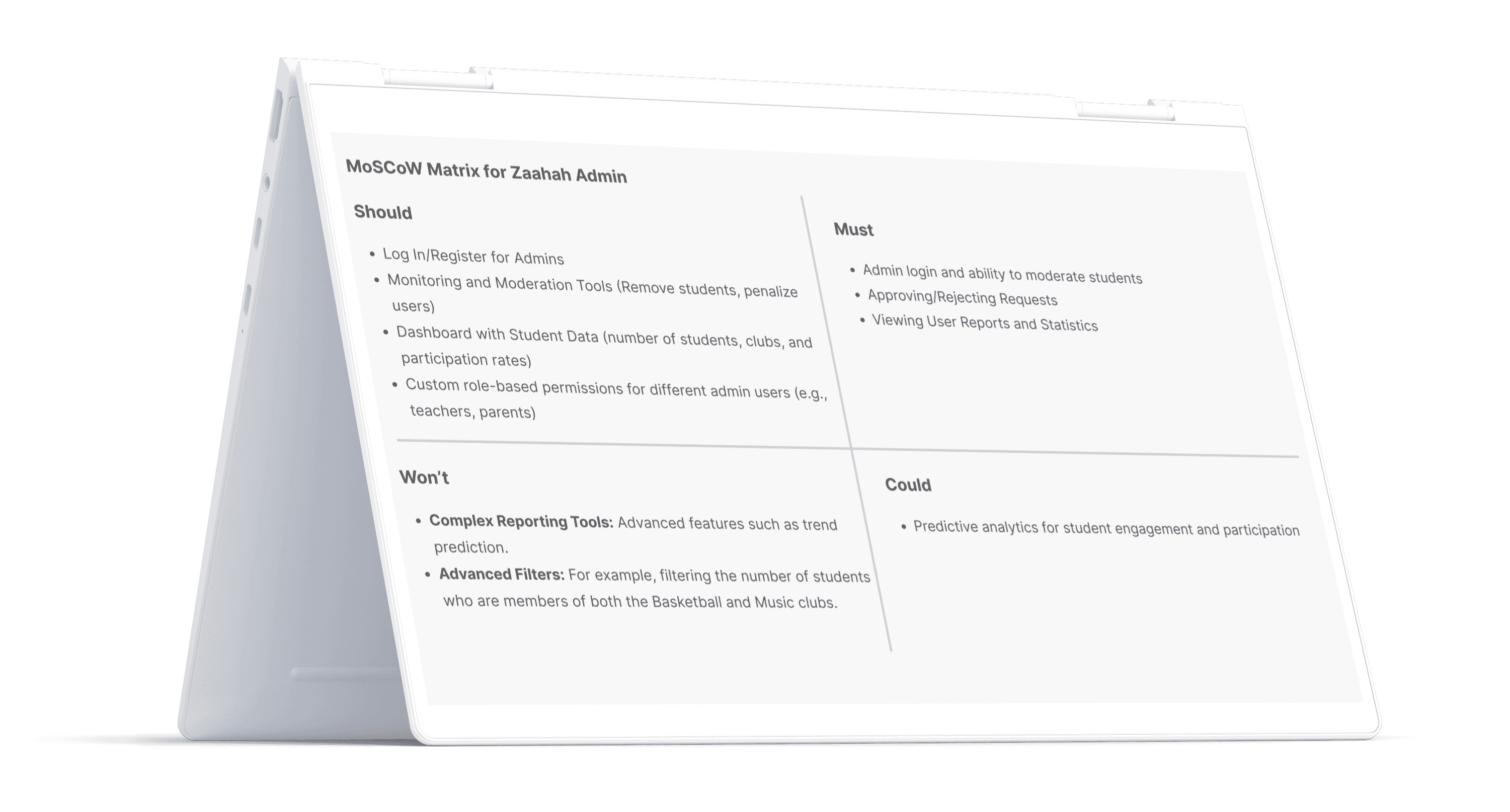
Matrix &
MoSCoW
Planning and organization were crucial for this project. After understanding the business goals and discussing them with the client, I decided to create a MoSCoW Prioritization Matrix. This approach helped identify what we should focus on, must achieve, could include, and won’t pursue.
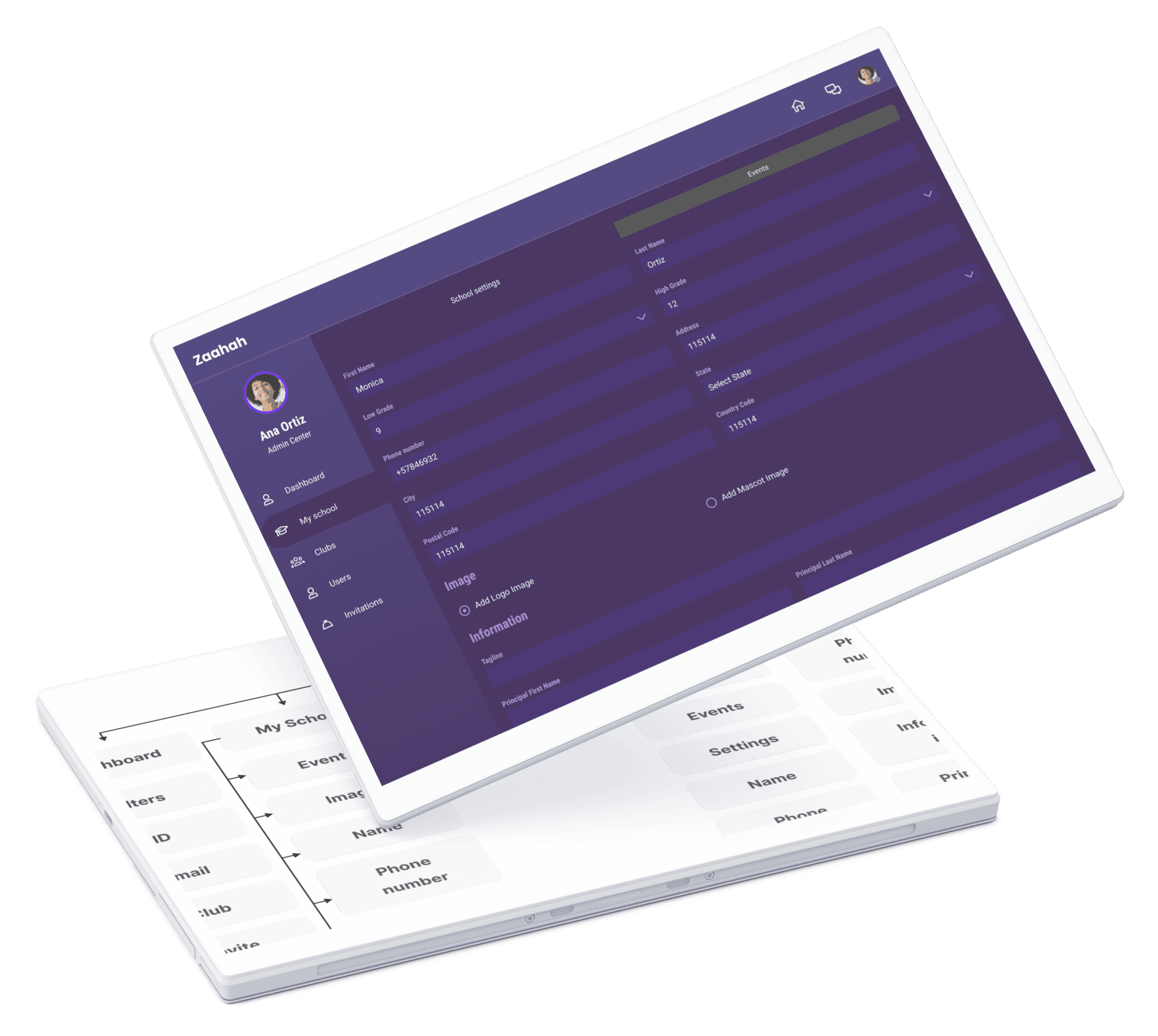
Information
Architecture
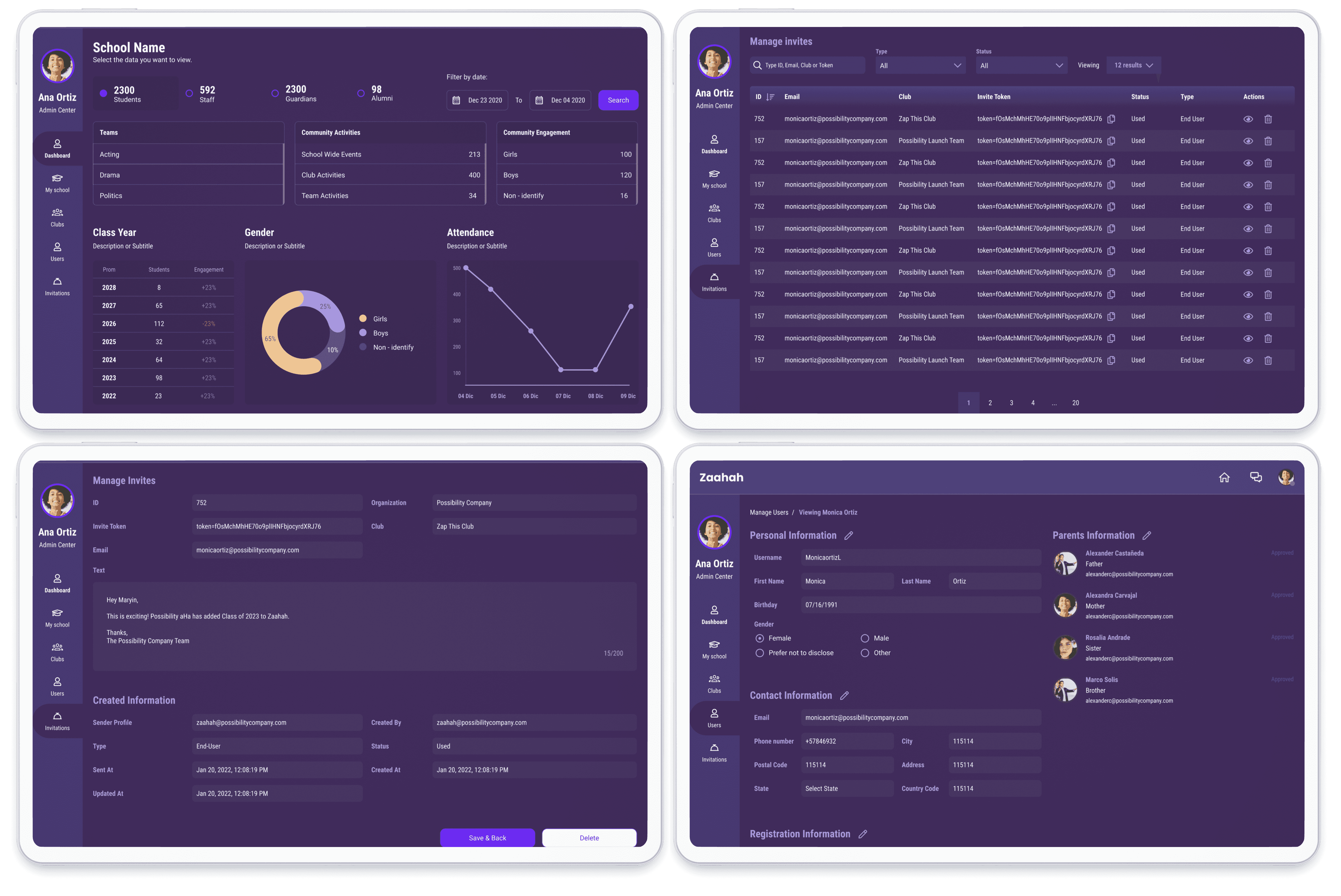
We had to organize a large amount of sections and information, including graphics, forms, inputs, dates, and a complex dashboard. Thankfully, much of this information was already structured in the "Student/Public" view, so our main task was to assign and redesign these sections into an administrator panel that would be easy for our target users to understand.
Designing for
Desktop
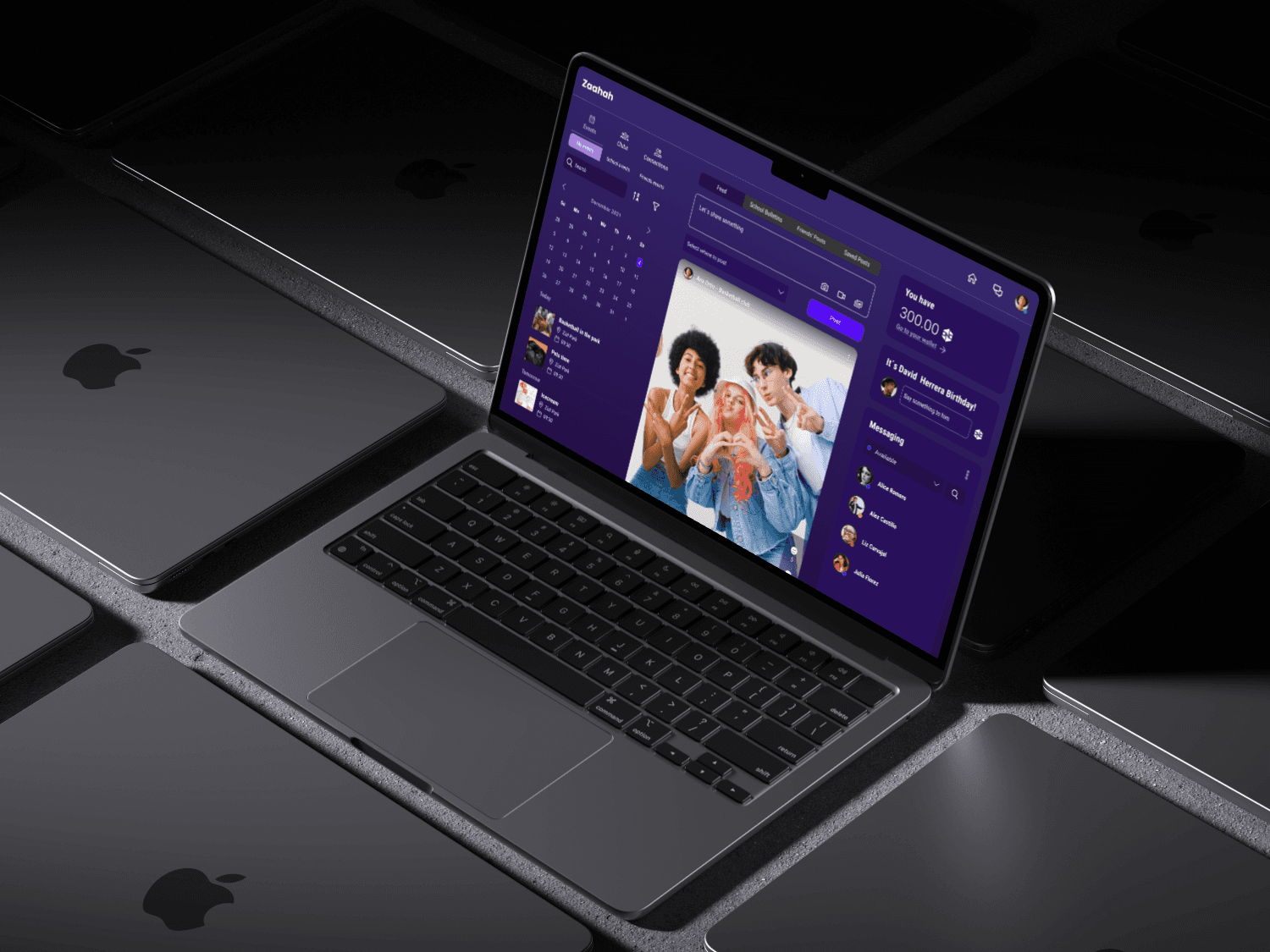
This project was designed with a desktop-first approach, as the parents and administrators would be using their personal computers.
Designing for
Mobile
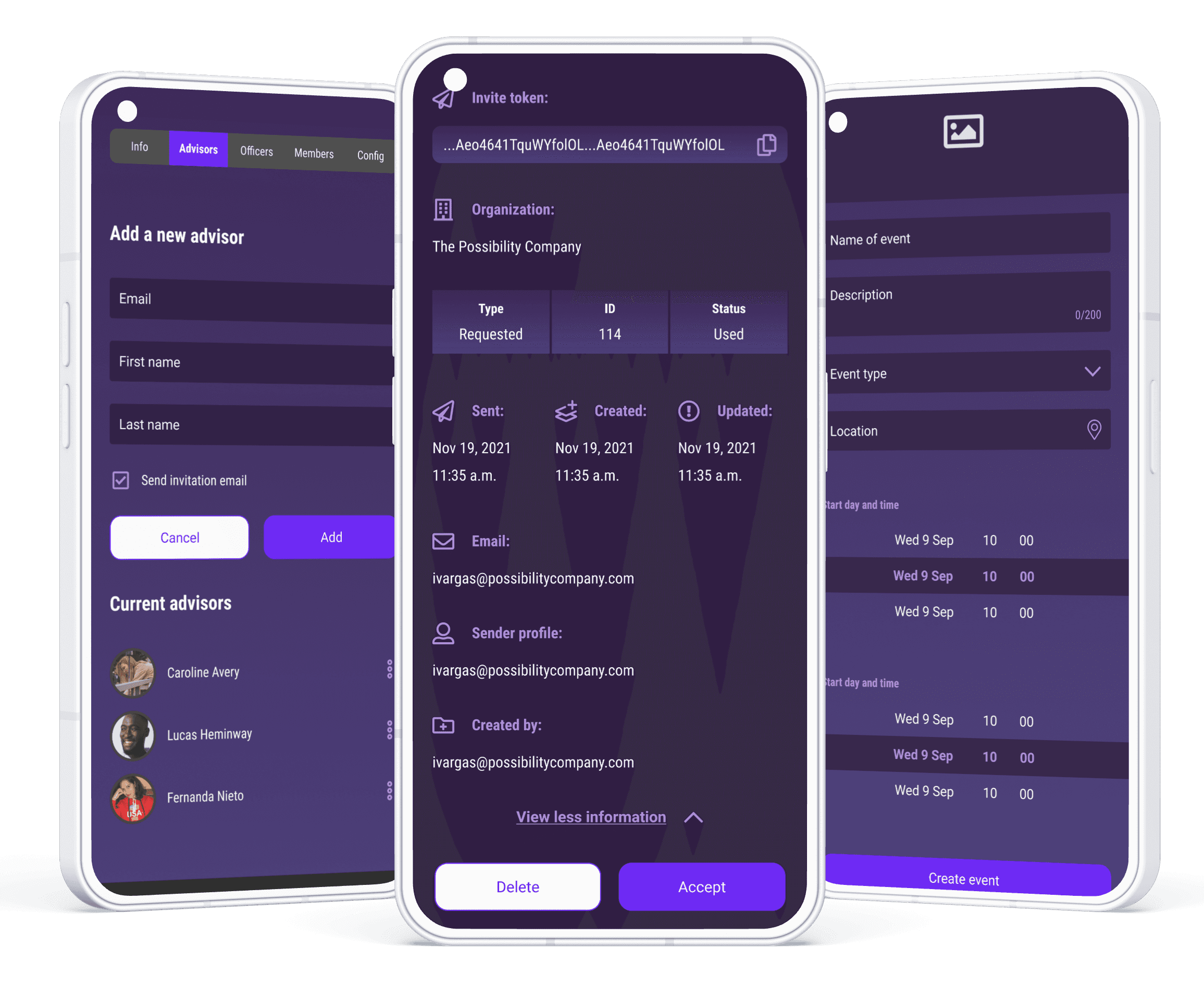
However, we also explored a mobile native version to provide flexibility for admins who might need to manage tasks on the go, ensuring it would be simple and user-friendly.
Creating the
Design System
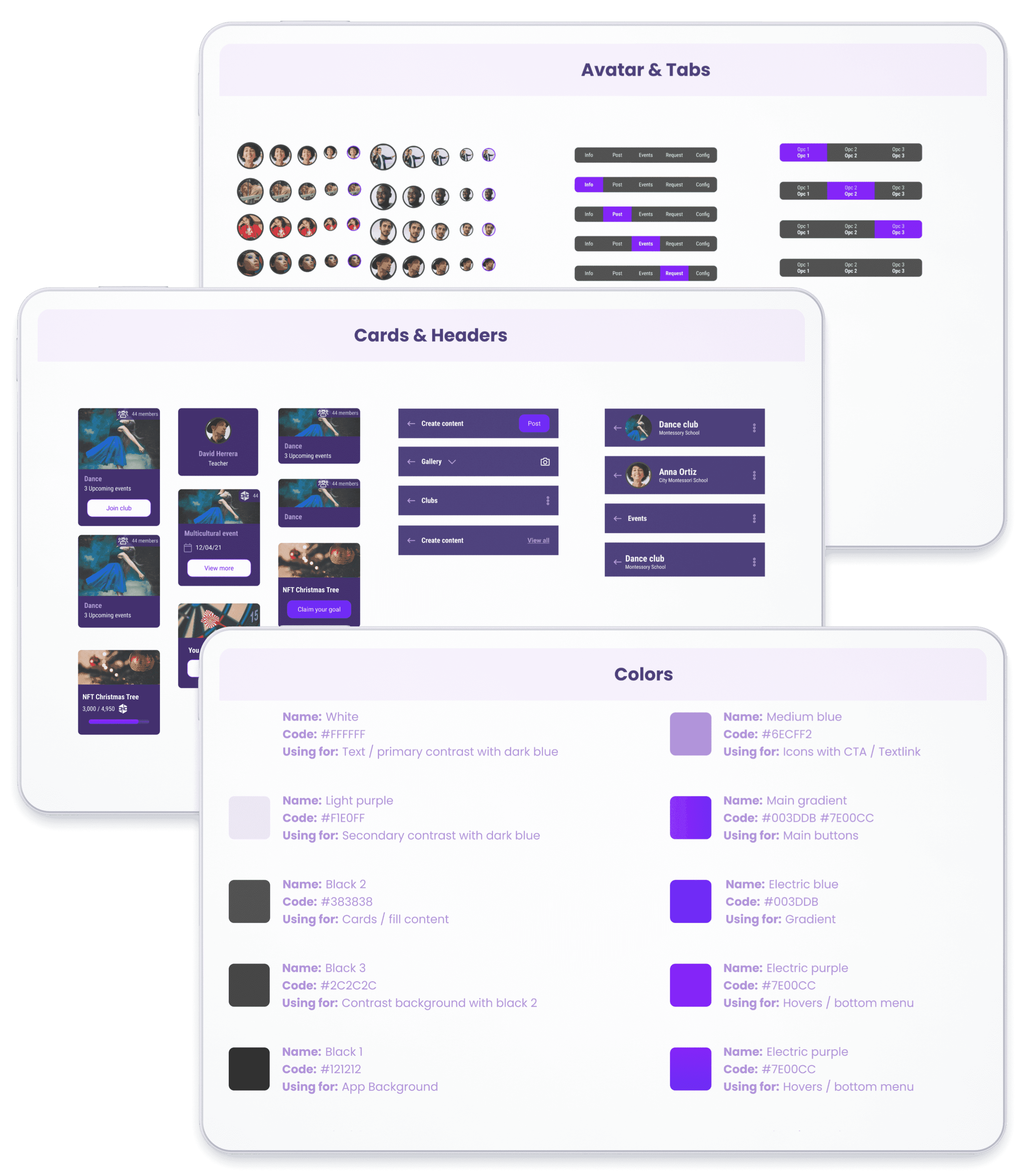
Additionally, I created the design system, which needed to be versatile and work across three different platforms: Zaahah, aHa, and the administrator mode. This design system helped a lot! and generated consistency across all products.
Zaahah for
Students
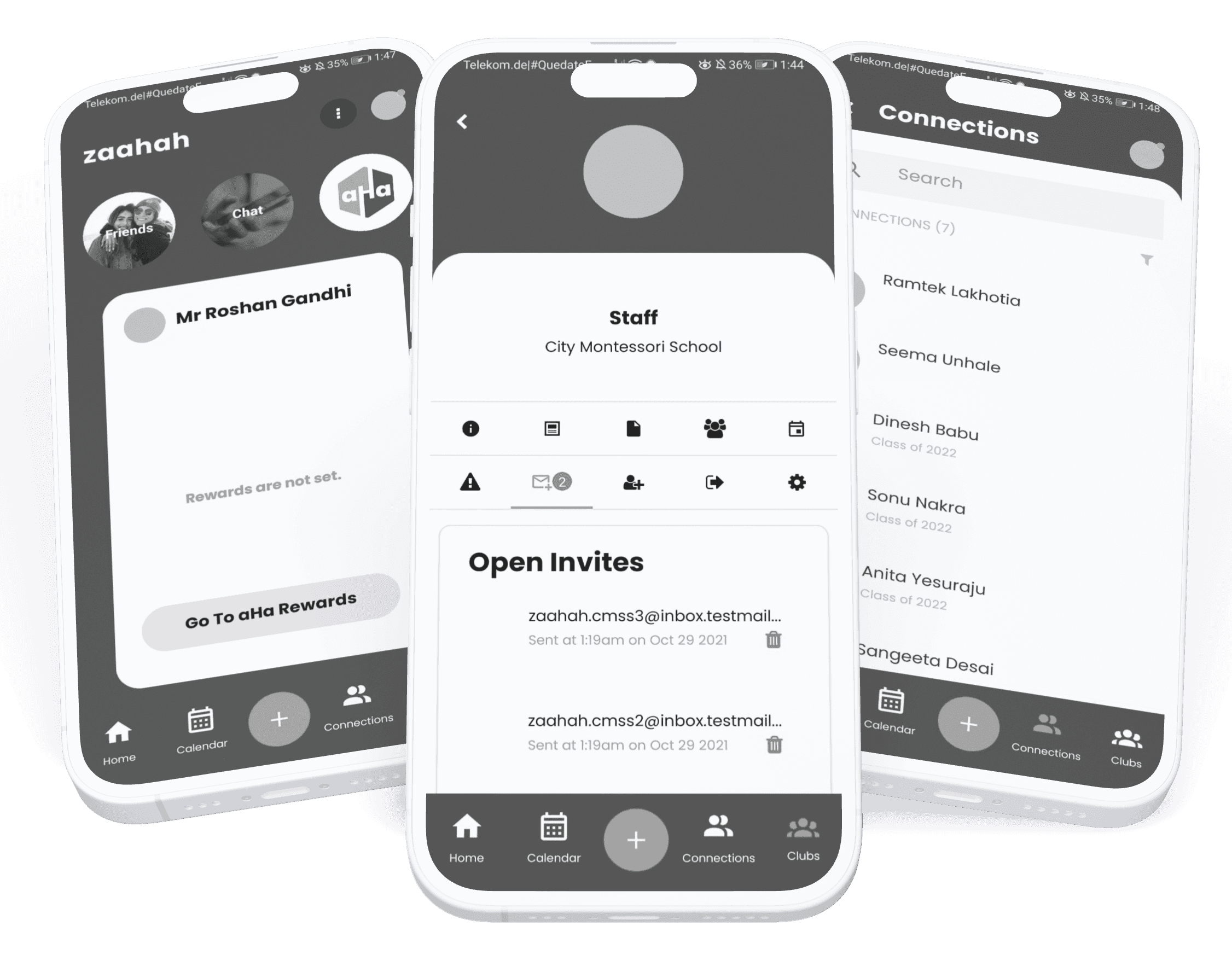
For this project, we decided to create only low-fidelity wireframes for mobile since we adopted a mobile-first approach. This allowed us to explore numerous ideas and conduct testing.
Problem
School students in the United States have been avoiding in-person activities, primarily due to a lack of motivation as many need to work to cover their own expenses.
Solution
Developing a platform with a native mobile app that rewards students with virtual currency for participating in in-person activities, which they can redeem for real-life benefits.
Prototyping for
Mobile
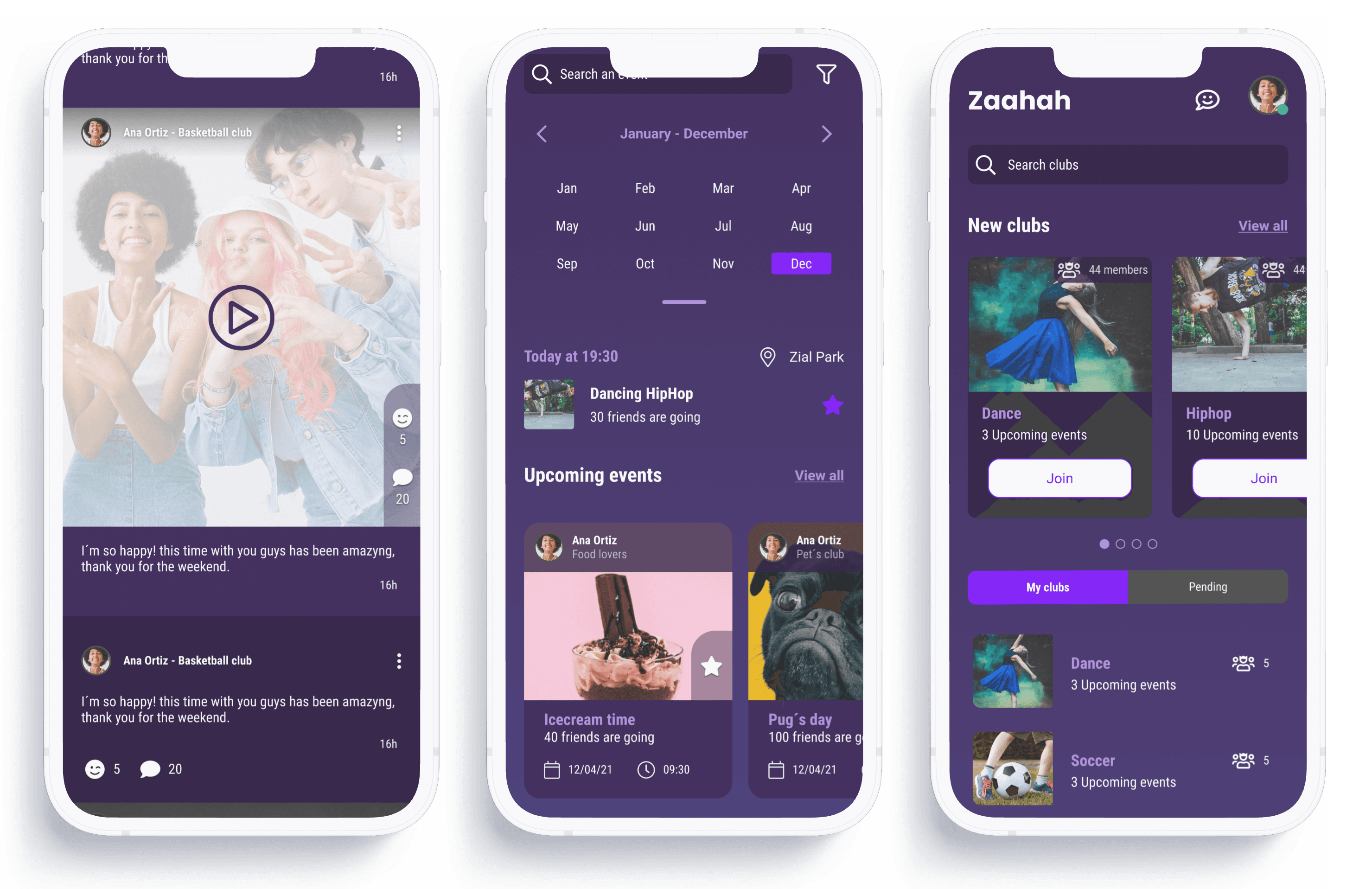
Starting with the mobile-first approach was intriguing because we aimed for a product that stood out from what was already in the market. This approach enabled us to experiment with iconography, various types of cards, and delve into gradients or colors that would capture the attention of teenagers
Prototyping for
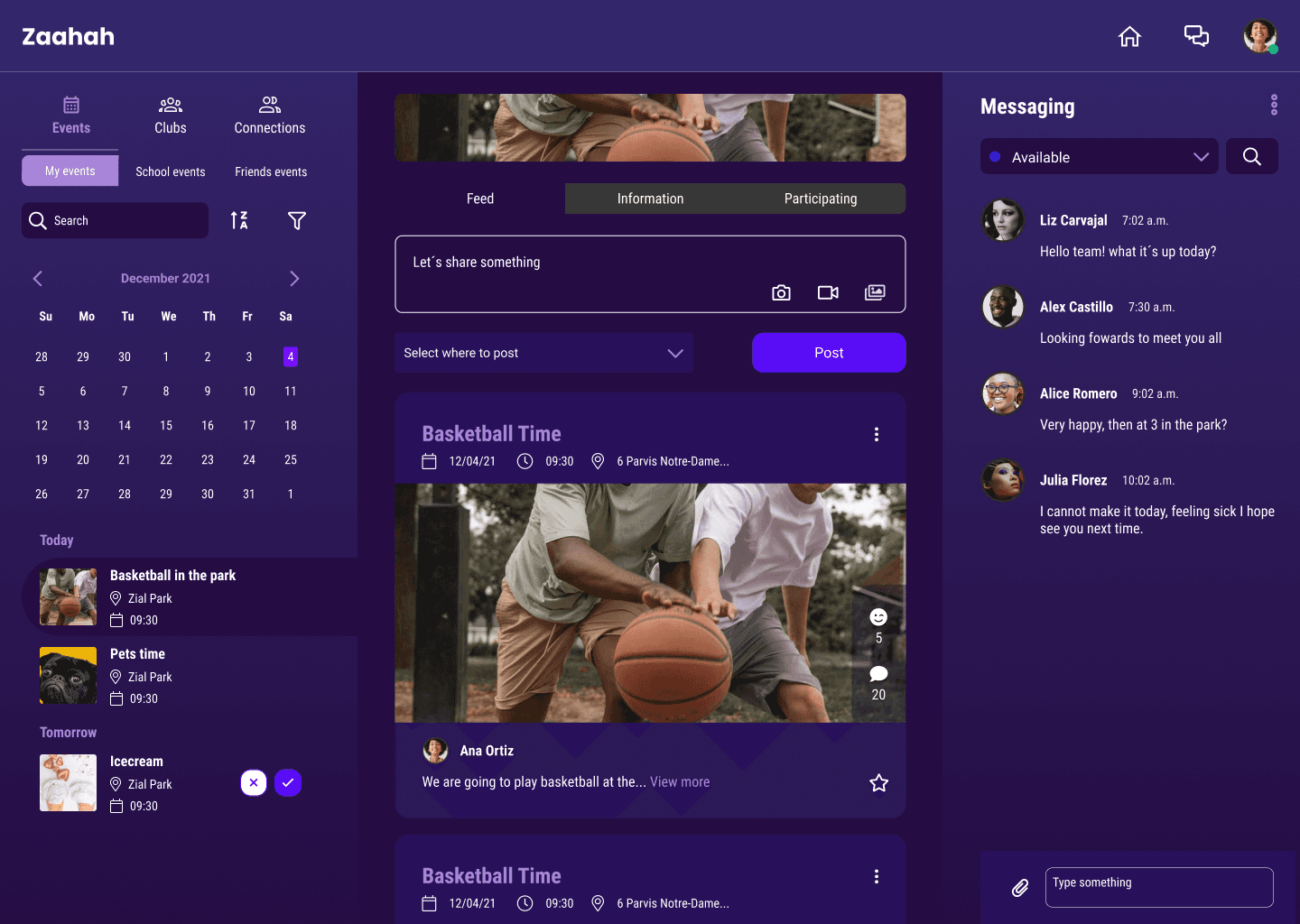
Web
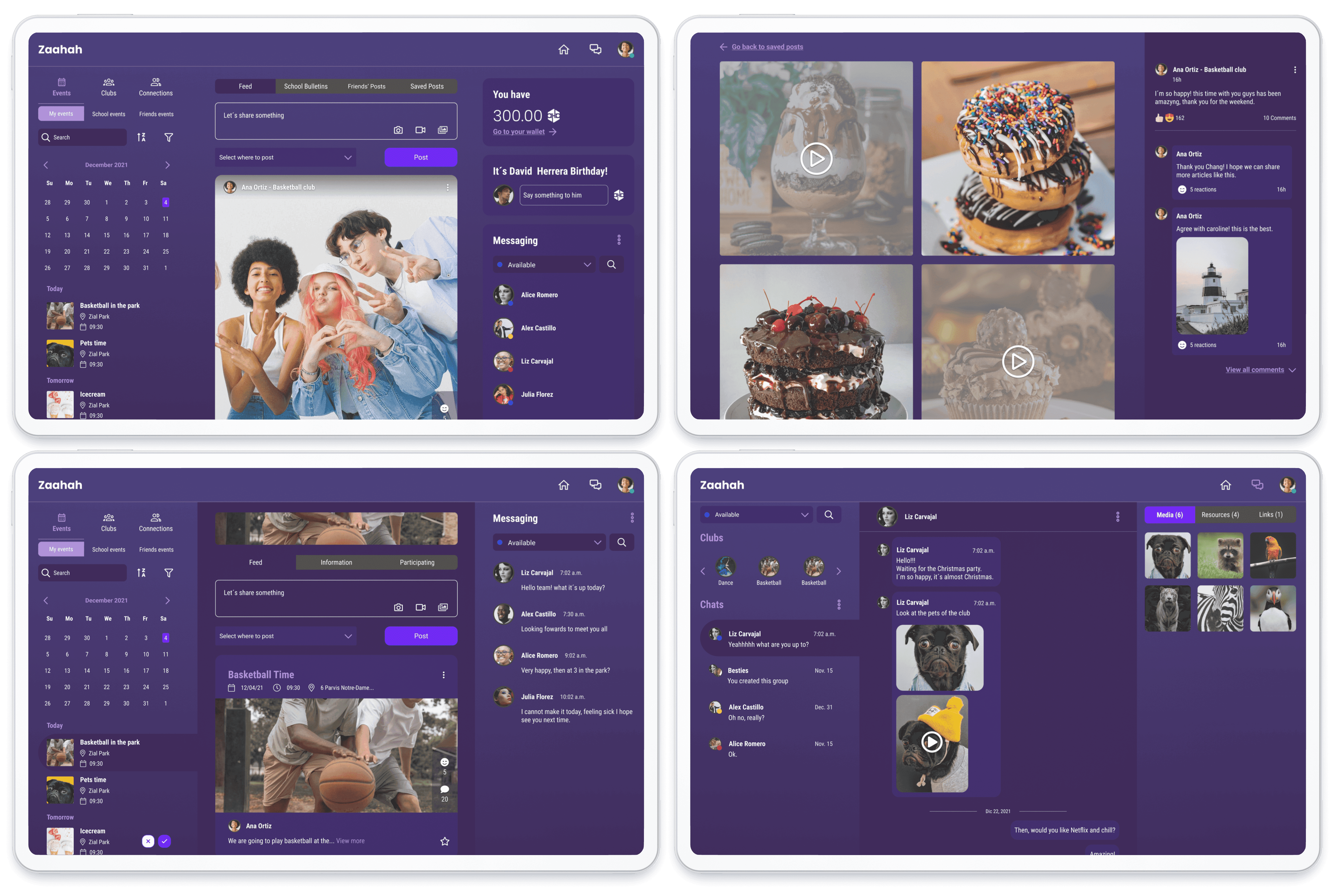
The website presented an even greater challenge as we experimented with various types of navigation. We divided it into three panels: the right panel contained the menu and some options, the middle panel displayed the content and feeds, and the left panel housed the virtual wallet and chat. This approach was highly creative and explorative, breaking away from the common conventions.
Leading
aHa
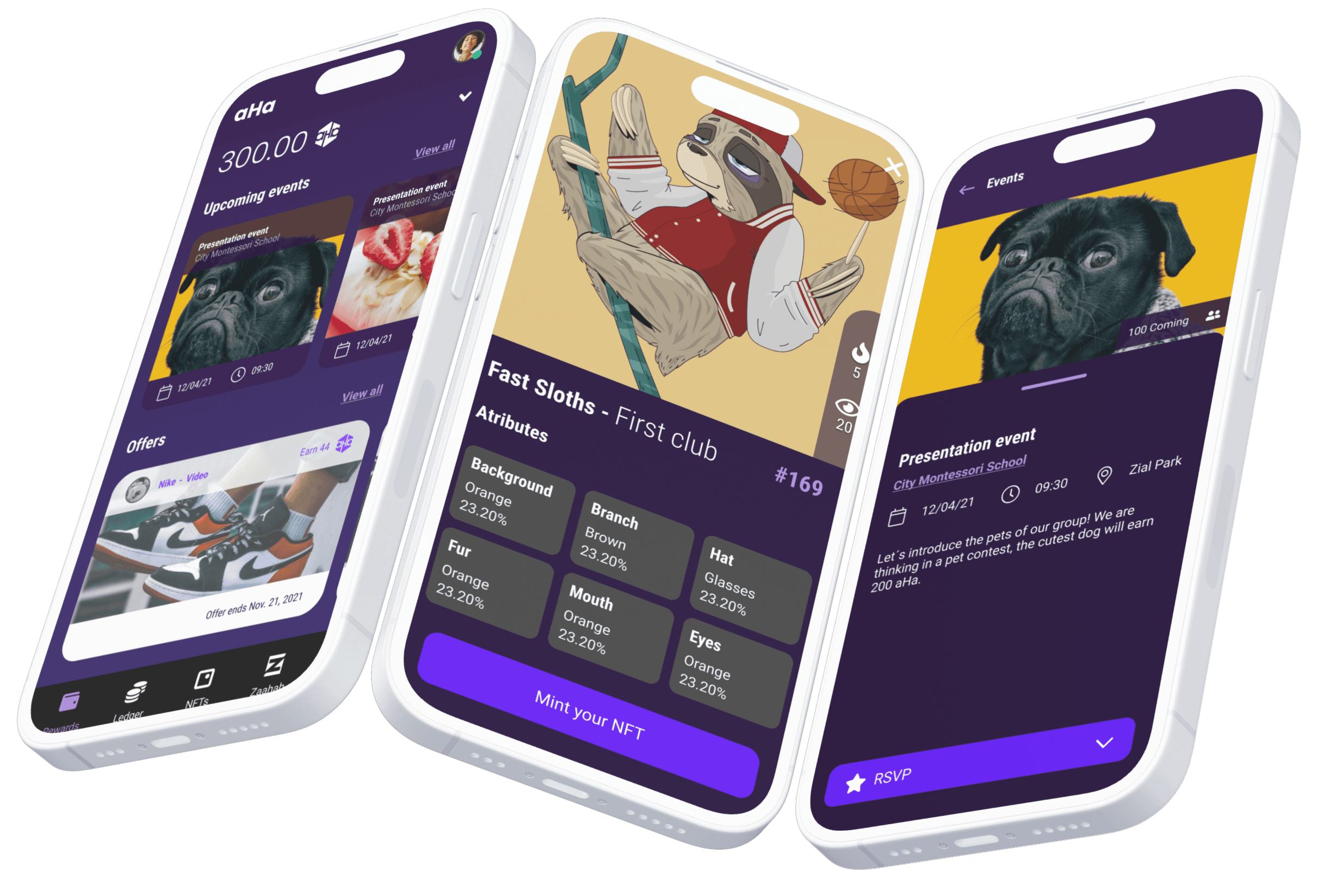
aHa was a virtual wallet integrated with Zaahah, where users could deposit virtual coins earned from participating in in-person activities. It also offered the opportunity to buy and sell NFTs. I led this project, as I was already designing two other projects for the company. In this role, I mentored and guided our junior designer through the process.
Problem
We needed a virtual tool to deposit and manage coins that students could use.
Solution
We created a virtual wallet integrated with the main app, allowing students to manage their coins by transferring, gifting, or saving them.
Synthesys &
Retrospective
Outcomes & Metrics
What we did well
What I would improve
Final Design
More work
you might like